


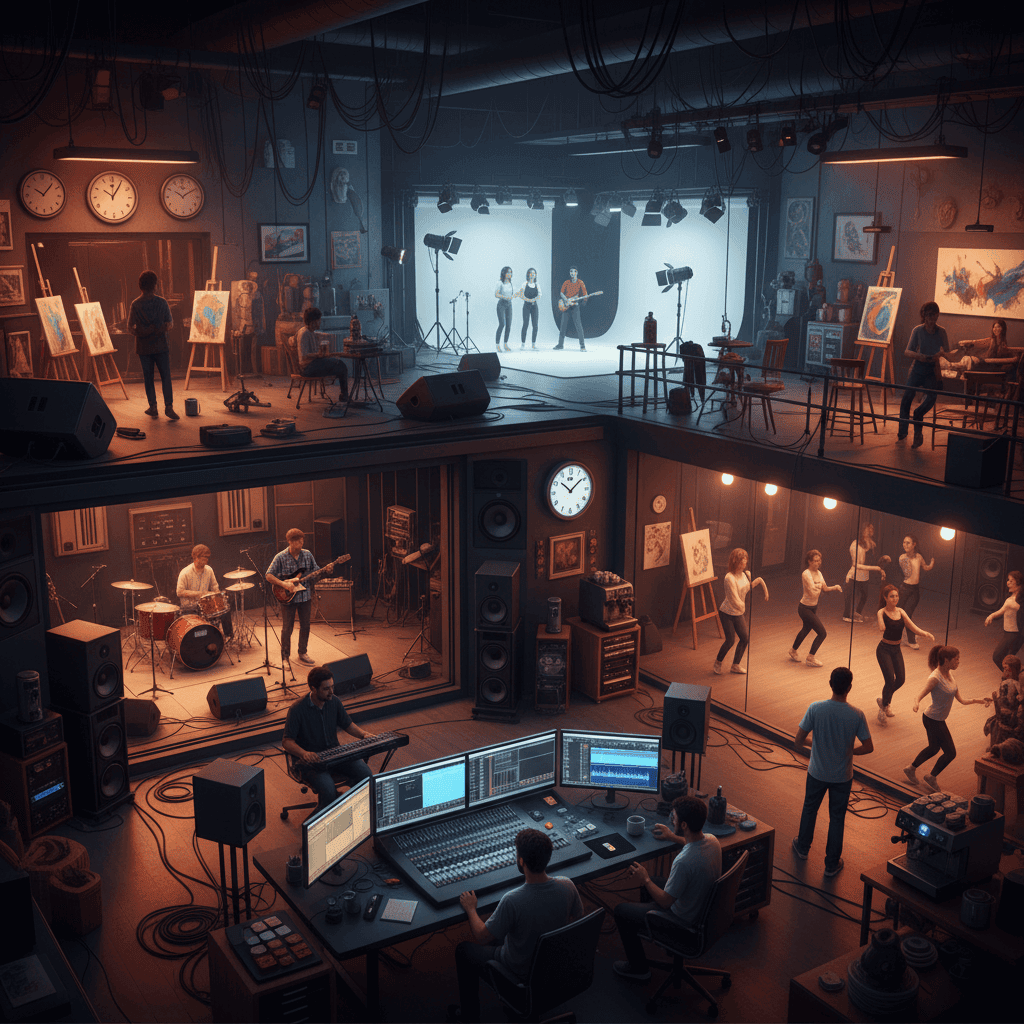
A studio that never closes naturally raises questions about safety, cost, and keeping your creative momentum going. If you are an artist, photographer, musician, or anyone who likes to work or train late at night, this kind of setup can change how you plan sessions and manage projects. Picture walking into a space where the clock does not set the rules, so your ideas can flow whenever they arrive. It can be a nice fit for your own natural rhythm. Keep reading to learn how a round-the-clock space might support your work and whether it suits you.
Expect clear examples and hands on tips that cover access, membership types, equipment care, community expectations, and ways to decide if continuous access fits your routine. Read on to learn the key points and to see how other users manage their time and tools when the studio stays open around the clock.
Why The Studio Never Closes Here s What You Need To Know about availability and intent
When an organization advertises around the clock access there is a reason beyond convenience. Many studios adopt this policy to serve creative schedules that peak at night to avoid daytime distractions. Others do it to support shift workers or to give international collaborators overlapping hours that match different time zones. In practice this means doors are unlocked or access systems operate electronically at all hours and staff may be present at select times.
Understanding the intent helps you set expectations. If the goal is to provide uninterrupted workflow then the facility will invest in reliable lighting, climate control, and secure entry systems. If the goal is community outreach then there will be programming at varying hours. Ask the manager about the rationale so you can plan sessions that match the studio s purpose.
How round the clock access works in practical terms
Always open does not mean unattended in every sense. There are a few common models to handle access and oversight. Choosing the right one depends on how much independence you want and how much oversight you need for equipment safety.
Access technology and entry systems
Most 24 hour studios use key cards, fobs, or smartphone apps tied to an access control system. This allows management to turn access on and off remotely and to track arrivals and exits. If you book a time slot you may be required to sign in. For some studios a valid membership account is sufficient and the gate opens automatically. Before your first late night session test the entry method and save any support numbers so a single login issue does not derail work.
Staff presence and remote support
Expect a mix of on site staff during busy hours and remote monitoring during quiet times. Remote support can include live video checks or a duty manager who responds quickly when an alarm triggers. If a studio advertises 24 hour staffing confirm which hours have an on site attendant. That knowledge affects how you handle complex setups that may require an extra pair of hands.
Membership options and pricing patterns at an always open studio
Memberships often reflect access levels. Typical tiers include basic self access, premium access with peak hour booking, and day passes for occasional use. Pricing aligns with the level of control and resources available. Monthly plans may cap the number of peak hour bookings while allowing unlimited off peak use.
Here are key pricing features to compare when you evaluate options
- Entry methods included in the fee
- Peak hour surcharges for high demand blocks
- Equipment insurance or damage deposits
- Guest passes for collaborators
Ask about prorated options and trial plans so you can test late night work without committing to a full term plan. If the studio offers flexible cancellation terms that is a plus for people with irregular schedules.
Equipment facilities and maintenance when doors are open 24 7
Operating continuously raises maintenance needs. Equipment that sees constant use must be rotated, inspected, and repaired on a regular schedule to avoid failures during critical sessions. For high end gear like cameras, amplifiers, or mixing boards confirm the studio s maintenance routine and the policy for reporting and resolving issues.
Cleaning routines and hygiene practices
Cleaning is essential when many users share space. Expect protocols for wiping surfaces, covering instruments when not in use, and storing shared cables properly. Some studios add mandatory cleanup steps to the booking terms to keep turnover smooth. Bring a small kit with basic supplies to handle quick touch ups between sessions.
Equipment longevity tips you can use
To protect gear follow simple steps. Return items to their designated places, use protective covers, and avoid leaving substances near sensitive components. If you are handling heavy items ask a staff member for help during staffed hours. Regular users benefit from logging small faults so that management can schedule repairs before a problem escalates.
Creative workflows that thrive when the studio never closes
Late night or early morning hours can be highly productive for certain tasks. Musicians often find quiet night sessions better for mixing while photographers may prefer the solitude for focused editing. Here are practical workflow tips to get more value from off peak hours
- Plan setup and teardown checklists so you do not waste late night focus on routine tasks
- Use recurring time blocks to build momentum on projects that require deep concentration
- Schedule collaborative sessions for times that match other team members across time zones
- Keep a running notes file that documents changes made during each session
These habits reduce friction and prevent wasted time when staffing is limited. They also help keep the shared space functional for others who may arrive after you leave.
Community rules etiquette and conflict handling
A 24 hour studio relies on a shared sense of responsibility among members. Clear rules help prevent conflicts. Expect policies about noise levels, guest counts, equipment reservations, and the handling of disputes. A well run space posts rules online and in the physical location so everyone can review them before booking.
When disagreements occur good practices include documenting the issue and reporting it through the official channel, avoiding public arguments, and requesting mediation from management. If you plan to host collaborators make sure your guests understand the house rules to avoid penalties or revoked access.
Is a never closing studio right for you what to weigh before joining
Before you sign up evaluate these factors. Match your peak creative hours with the studio s busiest times. If you need guaranteed on site help for complex equipment prefer a plan that includes staffed hours. If solo work at late hours suits you then the freedom of continuous access is a clear benefit. Consider commute safety and available parking for night sessions. Check local crime statistics if you regularly travel at odd hours and confirm the studio s security measures fit your comfort level.
For a fuller view of pros and cons consider reading materials provided by the operator. If you want to dive deeper into how one example organization frames their policies that resource offers a good case study. Use that context when asking management targeted questions so you make an informed choice.
Practical tips for getting the most from a 24 7 studio
Finally here are concise tips you can apply from day one. Keep a personal checklist for late sessions. Include contact info for support, entry credentials, a spare cable or adapter, and a compact cleaning cloth. Book a test session during off peak hours to confirm acoustics and lighting before an important shoot. Respect shared time blocks by finishing setup within your reserved window and by communicating if you need extra minutes.
Try shorter trial periods to confirm the environment suits your process. If you plan to store equipment on site verify storage terms and label your items clearly. Create a quick sign out log for gear you borrow so other members know who to contact in case of an issue.
In conclusion the concept of a studio that never closes offers real advantages for people who work outside typical schedules. It requires both personal responsibility and clear policies from management. For you the main trade offs involve the level of onsite support and the studio s approach to security and maintenance. Use the membership options to match your needs and test night sessions before you commit long term. Ask specific questions about access control cleaning practices equipment care and conflict resolution. Bring simple habits like checklists and labeling to protect your work and the shared environment. If you decide to join contribute to a courteous culture so everyone benefits from continuous access. To take the next step contact the studio for a tour test a night session or request a short term plan to try the setup. Acting on a small trial gives you real experience to compare against daytime options and helps you choose the plan that fits your workflow.